
 By
By 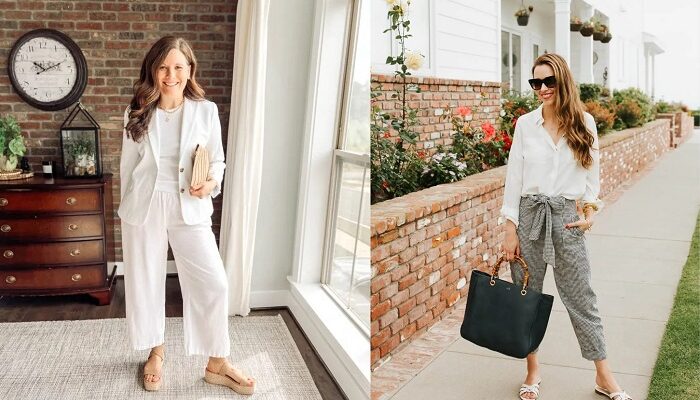
Stepping out of ninety-degree humidity into an office lobby cooled to meat-locker temperatures produces an immediate shock to the system. Across corporate America, commercial HVAC systems churn out sub-seventy-degree air with relentless force, transforming open-plan offices into personal arctic microclimates from June through September.
Dressing for this environment is one of the most frustrating sartorial challenges of the year. Dress for the blistering commute, and you spend eight hours shivering behind a monitor with numb fingers and tense shoulders. Dress for the indoor chill, and you arrive at work completely wilted before your first morning meeting. Solving this dilemma requires abandoning the concept of a static outfit and building a modular wardrobe founded on fabric intelligence, structural layering, and intentional desk-side preparation.
Rethinking Fabrics: The Power of Breathable Insulation
The most common summer wardrobe mistake is reaching exclusively for gossamer-thin materials. While lightweight linen, gauzy seersucker, and sheer cotton voile feel heavenly on a sunbaked sidewalk, they offer zero resistance against aggressive air currents blowing directly onto your neck and arms. When an air conditioner blasts cold air over paper-thin clothing, the fabric conducts that chill directly to your skin.
The secret to conquering this contrast lies in high-twist natural fibers. Chief among these is tropical-weight wool, often referred to in tailoring circles as fresco wool. Woven from tightly twisted yarns with an open, porous weave, tropical wool allows trapped body heat and outdoor humidity to escape during your commute. Yet, because wool fibers possess natural crimp and elasticity, they maintain structural integrity and trap just enough pocketed air to insulate your core against sudden drafts indoors.
Mercerized cotton and silk-cotton blends function on a similar principle. Silk provides surprising thermal retention relative to its weight, while cotton absorbs excess moisture without feeling clammy. Avoid cheap synthetic fabrics like polyester and nylon during midsummer; these materials trap sweat against your body in the outdoor heat, leaving you sitting in damp, cold clothing the moment you enter an air-conditioned room.
The Modular Outer Layer: Moving Beyond the Desk Blanket
Draping an uninspired polyester fleece throw over your shoulders may keep you warm, but it undermines an otherwise polished professional appearance. A far better approach is integrating purposeful, structured layers designed to transition smoothly between street and desk.
The Unstructured Blazer
An unlined or half-lined blazer in a hopsack wool, cotton-linen blend, or heavyweight silk provides immediate insulation while sharpening your silhouette. Because unlined jackets lack heavy canvas padding and synthetic interior linings, they do not turn into saunas during your walk from the train. Once at your desk, the jacket acts as a windbreak against overhead ceiling vents, protecting your shoulders and chest.
Fine-Gauge Summer Knitwear
A tightly knit, fine-gauge cardigan or crewneck sweater in lightweight merino wool or cashmere-silk is an indispensable tool. Merino wool regulates body temperature dynamically, responding to environmental fluctuations far better than synthetic knitwear. Look for pieces with clean ribbing and minimal bulk so they can be easily draped over your shoulders during the commute and slipped on within seconds of sitting down.
The Oversized Shirt-Jacket
For less formal work environments, an oversized poplin button-down or a structured utility jacket worn open over a ribbed tank or sleeveless silk blouse offers effortless temperature control. Rolling up the sleeves while walking outside allows forearm cooling, which helps lower your perceived body temperature, while rolling them down indoors provides instant coverage.
Solving the Lower-Body Dilemma
Legs and feet act as primary thermal regulators. When cold air pools near the floor—which is precisely where sinking chilled air gathers in commercial buildings—bare legs and thin sandals rapidly pull heat away from your entire body.
While sundresses and cropped skirts dominate summer fashion, they leave your calves and knees entirely vulnerable to drafts. A more strategic approach is embracing wide-leg trousers in airy weaves. Trousers cut from fluid Tencel, heavy linen blends, or drapey matte jersey allow air to circulate freely around your legs outdoors, mimicking the breeze of a skirt. Indoors, however, the continuous drape of fabric shields your lower body from ambient draft.
Footwear presents another friction point. Strappy sandals might survive the outdoor commute, but exposed toes in a sixty-six-degree conference room can make your entire body feel chilled. A tailored loafer, sleek slingback, or structured leather mule provides a compromise by keeping the toes covered while keeping the back of the foot exposed to the air.
Establishing an Office Stash System
The most stylish professionals rely on a curated collection of pieces that never leave the office building. Separating your wardrobe into commuting garments and workspace essentials eliminates the need to pack a heavy tote bag every single morning.
-
An Oversized Cashmere-Silk Wrap: A generous, neutral-colored wrap woven from a light cashmere blend can be folded into an oversized scarf, draped across your lap as a discreet blanket, or wrapped around your shoulders during long presentations. It provides superior warmth compared to a cardigan while packing down to the size of a book.
-
Desk-Side Tailored Loafers: Keep a pair of broken-in leather loafers or classic pointed-toe flats tucked under your desk. You can wear breathable sneakers or sandals during the morning commute and switch shoes the moment you arrive.
-
Thermal Fingerless Gloves or Wrist Warmers: If typing in an air-conditioned office causes your hands to stiffen, lightweight knit wrist warmers made from fine merino wool work wonders. By warming the radial artery at the wrist, you significantly improve circulation to your fingertips without sacrificing keyboard dexterity.
Streamlining the Daily Transition
Surviving the summer office deep freeze requires accepting that two distinct climates govern your day. When you assemble an outfit, prioritize base pieces that look intentional when worn alone—such as a sleeveless mock-neck knit, a tailored linen vest, or a structured midi dress—and complement them with high-performing outerwear.
By selecting garments made from breathable, draft-resistant natural fibers and maintaining a small selection of tailored layers at your workstation, you can navigate sweltering commutes without succumbing to the midsummer office freeze.








Comments