
 By
Most used-car mistakes come from skipping steps in the wrong order. One hidden fault isn’t usually the whole problem. Do your own screening first to rule out the clear lemons, then pay for a mechanic only on the car you would actually buy.
Your own check is a filter
Think of your own inspection as a way to say no quickly. It won’t prove a car is good.
Walk around the car in daylight and look for uneven panel gaps, mismatched paint, tyres worn low or on one edge, and damp spots where it was parked. Under the bonnet, look for obvious leaks, perished hoses, low washer level and coolant below the line on the outside of the overflow bottle. Don’t open pressurised caps and don’t touch hot parts. Inside, test the aircon, windows, door locks and lights, and sit in every seat to check whether the space and comfort suit you, along with visibility and boot access.
If the basics look straight, drive it on familiar roads for 15 to 20 minutes. You don’t need to put the car through harsh tests.
If anything feels off, walk away.
Check papers before parts
Used cars can look tidy yet still have paperwork problems, so start with documents and history. Ask for the logbook, service receipts, owner’s manual and spare key, and compare odometer readings with service stickers and old receipts for steady, believable use.
A PPSR search will show whether a security interest is registered against the vehicle and may also show whether it has been reported stolen or written off. It won’t show mechanical condition or unreported crash repairs, so treat it as a filter rather than a full history report.
Private sellers and dealers work in different ways, and it helps to know what questions to ask. With a private sale you rely on what the seller gives you, but if you browse car sales perth listings from licensed dealers you can compare several cars and ask for service history and warranty terms in writing before you spend on an inspection. Don’t assume any cover is included. Ask what, if anything, applies to that car and get the answer on the receipt.
If the history has gaps or the seller rushes you, move on. There are plenty of other cars to look at.
What a mechanic sees that you can’t
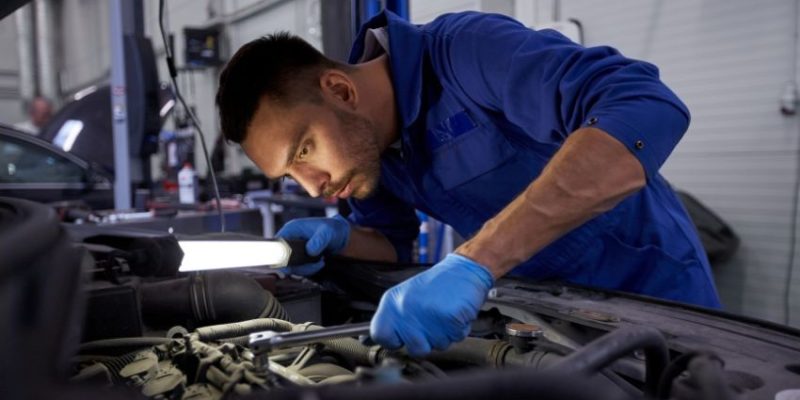
A pre-purchase inspection gives the mechanic access you don’t have during your own check, backed by their experience. If a workshop hoist inspection is included, the mechanic can look for underfloor corrosion, engine and gearbox leaks, and exhaust wear that are difficult to assess from ground level.
They can also check parts for play and wear by hand and eye, such as suspension bushes and joints, and measure brake pads and discs against wear limits. Tyre wear can point to alignment or suspension needs, though the cause still needs testing rather than guesswork.
Ask whether a diagnostic scan is included and which vehicle systems it covers. It reads stored fault codes and live data, which helps narrow down issues with engine management and emissions. It can’t prove root cause on its own, and a recent code clear does not always leave a trace. Monitors that read as not ready can hint at a recent reset, yet even a good inspection can’t catch every case or promise future reliability.
Scope varies a lot between providers. Ask what is included before you book, such as time on the hoist, road test, written report and photos. A mobile mechanic service that comes to the car can suit private sales, while a workshop visit allows more gear to be used if further checks are needed.
Use a simple triage that saves money
Start wide and narrow fast. Shortlist three to five cars on paper, then drop any with patchy history or visible flaws before you call a mechanic.
Take the survivors for a normal drive. Choose a route you know with stop-start streets and a steady highway stretch where it is legal to do so. Include a rough section if you can. Listen for clunks over bumps and feel for shudder or slip between gears. Normal driving tells you more than parked checks because steering, brakes, transmission shifts and ride only show up when the car is moving.
Buyers get the best value when they bring notes from their own drive to the inspection. Share the seller’s claims and your own notes with the mechanic so they know where to look closely during the hoist check and road test. If the report lists work, get quotes and decide whether the asking price still makes sense with those costs or if you should keep looking.
The jobs stay separate. You handled the initial screening, and the mechanic checked the parts you couldn’t assess yourself.
Buy the car with clean papers and a written report you understand. A straight test drive should back it up. That’s how you avoid paying for someone else’s problems.









Comments