
 By
By 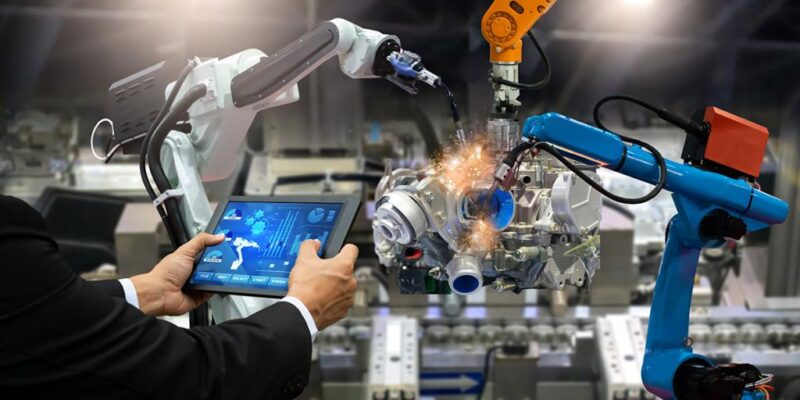
The global labor market is experiencing an unprecedented structural shift. Historically, technological advancements generated widespread anxiety regarding job displacement, as machines and automation systems replaced manual labor. While it is true that routine, repetitive tasks are increasingly handled by software algorithms and advanced robotics, focusing solely on job loss obscures a far more significant phenomenon. Technology acts as a massive net creator of employment, continuously birthing entirely new industries, professional disciplines, and career trajectories that did not exist a decade ago.
Modern technological innovation does not merely eliminate old workflows; it fundamentally redefines how human capital is deployed. By automating administrative overhead and operational data entry, technology elevates the premium on uniquely human traits such as complex problem solving, strategic planning, emotional intelligence, and creative expression. From artificial intelligence architecture to decentralized finance, technological advancements are expanding the horizon of professional possibilities, offering lucrative and fulfilling career opportunities for individuals willing to adapt and learn.
The Rise of the Artificial Intelligence Ecosystem
The rapid maturation of artificial intelligence has created an entirely new ecosystem of professional opportunities, moving well beyond basic software development into specialized, cross-disciplinary roles.
Prompt Engineers and Language Model Optimizers
As large language models become deeply integrated into corporate workflows, companies require specialists who understand how to communicate with these systems effectively. Prompt engineering has emerged as a critical discipline. These professionals design, test, and refine linguistic inputs to ensure that artificial intelligence models produce highly accurate, contextually relevant, and safe outputs. This role bridges the gap between traditional computer science and humanities, requiring deep logical analysis, linguistic precision, and a thorough understanding of human cognitive patterns.
Artificial Intelligence Ethics and Compliance Officers
The widespread deployment of automated decision-making systems introduces significant ethical, legal, and reputational risks for modern corporations. Issues such as algorithmic bias, data privacy violations, and intellectual property disputes have forced organizations to establish robust governance frameworks. AI ethics officers are responsible for auditing algorithms to ensure fairness, transparency, and regulatory compliance. These professionals collaborate with software engineers, legal departments, and corporate executives to ensure that technological adoption aligns with societal values and international legal frameworks.
Data Labeling Managers and Annotation Specialists
Machine learning algorithms are fundamentally dependent on high-quality, structured data to learn effectively. This dependency has given rise to a global data annotation industry. Data labeling managers coordinate massive teams of specialists who categorize, tag, and clean raw data—such as medical images, autonomous vehicle video feeds, and financial transaction records. This foundational work ensures that neural networks can identify patterns accurately, making data curation a vital, fast-growing segment of the modern technology workforce.
Cybersecurity and Digital Asset Protection
As businesses migrate their operations to cloud infrastructure and embrace remote work models, their digital attack surfaces expand exponentially. This continuous vulnerability has transformed cybersecurity from an isolated technical function into an essential element of corporate survival, driving massive job growth.
Threat Intelligence Analysts
Modern cyber threats are highly sophisticated, often driven by organized global syndicates or state-sponsored entities. Threat intelligence analysts operate defensively by monitoring dark web forums, analyzing malware signatures, and tracking emerging digital exploitation techniques. Instead of merely reacting to a security breach after it occurs, these professionals predict and neutralize vulnerabilities before malicious actors can exploit them, safeguarding critical corporate infrastructure and consumer data.
Cloud Security Architects
The widespread transition from physical on-premise servers to decentralized cloud computing environments has created an intense demand for specialized architecture. Cloud security architects design and implement robust digital perimeters, identity access management systems, and encrypted data pathways across complex hybrid cloud networks. They ensure that a multinational corporation can operate seamlessly and access data from any global location without exposing sensitive intellectual property to digital interception.
The Evolution of the Data Economy
Data is frequently described as the new oil of the digital economy, but raw data is functionally useless without structured analysis. Technology has democratized access to information, creating a massive demand for professionals who can translate raw metrics into actionable corporate strategies.
Data Scientists and Analytics Translators
While data scientists use advanced statistical models and programming languages to uncover deep patterns within massive corporate datasets, a major gap often exists between technical findings and executive decision-making. This gap has birthed the role of the analytics translator. These professionals possess a unique blend of technical literacy and business acumen, allowing them to take complex mathematical insights and reframe them into clear, actionable commercial strategies that corporate leadership can execute immediately.
Data Privacy Managers
With the implementation of strict international data protection mandates, such as the General Data Protection Regulation in Europe and the California Consumer Privacy Act in the United States, data handling has become a high-stakes legal minefield. Data privacy managers oversee how companies collect, store, utilize, and eventually destroy consumer information. They design internal data compliance protocols, manage consumer data deletion requests, and conduct comprehensive risk assessments to protect organizations from multi-million-dollar regulatory fines.
The Green Technology and Sustainable Infrastructure Boom
The global push toward environmental sustainability and carbon neutrality is heavily reliant on technological innovation, resulting in a surge of specialized green career paths.
-
Renewable Energy Grid Integrators: As solar, wind, and geothermal energy inputs expand, traditional electrical grids must be modernized. Grid integrators utilize smart software and advanced sensors to balance variable renewable energy inputs with real-time consumer electricity demands, preventing blackouts and maximizing energy efficiency.
-
Smart City Designers: These urban planners combine traditional architecture with Internet of Things technology. They integrate sensors into public transit networks, water systems, and waste management infrastructure to create hyper-efficient, data-driven urban centers that reduce municipal costs and lower environmental footprints.
-
Battery Technology Engineers: The global transition toward electric vehicles and industrial energy storage has created an intense research and development race. Battery engineers focus on developing new chemical compositions and manufacturing processes to increase energy density, accelerate charging speeds, and improve the recycling lifespan of energy storage units.
E-Commerce and Digital Content Production
Technology has completely decentralized the creation and distribution of media and commerce, allowing individuals to construct global business enterprises from their personal computers.
Search Engine Optimization Specialists and Growth Hackers
In a crowded digital marketplace, visibility is everything. Search engine optimization specialists analyze search algorithms, consumer search behavior, and content performance metrics to ensure their company websites rank at the top of organic search results. Working alongside growth hackers, these professionals use low-cost, innovative digital marketing strategies, automated email funnel sequencing, and viral loops to scale customer acquisition rapidly without relying on massive traditional advertising budgets.
Remote Work Infrastructure Managers
The permanent shift toward hybrid and fully remote corporate environments has created a need for operational specialization. Remote work infrastructure managers ensure that distributed workforces have seamless access to digital collaboration tools, video conferencing software, project management dashboards, and remote IT support. They also focus on the cultural aspects of distributed work, designing virtual onboarding experiences and digital team-building initiatives to maintain employee engagement and corporate alignment across multiple time zones.
Frequently Asked Questions
Do I need a traditional four-year computer science degree to secure a career in these new technology fields?
No, a traditional four-year degree is no longer an absolute prerequisite for many modern technology roles. The rapid pace of technological change means that skills-based hiring is becoming the industry standard. Many professionals transition into high-paying tech careers through intensive coding bootcamps, specialized professional certification programs, open-source portfolio development, and continuous self-directed online learning.
How is technology creating new opportunities in traditional fields like healthcare?
Technology is revolutionizing healthcare by creating roles such as telehealth coordinators, who manage remote patient monitoring networks and digital consultation platforms. Additionally, the integration of genomics and artificial intelligence has given rise to bioinformaticians, who analyze vast genetic datasets to develop personalized medical treatments and predict disease vectors before symptoms manifest in a patient.
What are the primary soft skills required to thrive in a technology-driven career?
While technical literacy is essential, soft skills are critical for long-term career resilience. Because technology evolves constantly, professionals must possess high adaptability, a commitment to lifelong learning, and deep curiosity. Furthermore, because tech roles require translating complex concepts for non-technical stakeholders, strong communication, emotional intelligence, and cross-functional collaboration are highly valued.
What is the role of blockchain technology in creating new job opportunities?
Beyond cryptocurrency speculation, blockchain technology has created structural career paths including smart contract developers, who write automated, self-executing legal and financial agreements. It has also created a demand for decentralized supply chain ledger specialists, who utilize immutable blockchain networks to track the authentic origin, transport logistics, and ethical sourcing of global commodities in real time.
How can older workers effectively upskill to capitalize on emerging technology careers?
Older workers possess an invaluable asset: deep industry experience and contextual business acumen. To capitalize on technology trends, they can focus on bridging their existing domain expertise with modern digital tools. Taking targeted courses in data literacy, project management software, or artificial intelligence applications allows them to step into high-value advisory, management, or analytical roles where technical knowledge meets seasoned corporate strategy.
Will the automation of entry-level tech tasks prevent newcomers from entering the industry?
While basic coding and introductory data entry are increasingly automated by artificial intelligence tools, this shift actually accelerates the entry process for newcomers. Instead of spending years mastering syntax or manual data organization, entry-level professionals can utilize automated tools to build complex projects quickly. The focus shifts from memorizing code to understanding systemic design, logical architecture, and creative problem solving, allowing junior professionals to deliver high-level value much faster.










Comments